A Seasonal Sketchbook Guide: Where to Draw in the Borough This Spring and Summer
Spring arrives in the borough well before the calendar agrees. Blossom shows up on a side street, the market drags its tables into the open, and there are suddenly twenty good reasons to stand still with a pencil in your hand. A sketchbook is the cheapest excuse to loiter with purpose. What follows is where to go, what to draw, and how to keep the kit light enough that you actually carry it.
Reading the Season
Spring: draw the changes, not the postcard
The obvious subjects — cherry blossom, tulip beds, the first daffodils — are fine, but they date fast. Better: pick one tree, one doorway, one stretch of towpath and draw it every fortnight. In April you get bare branches and the shape of the trunk; by late May the same page shows how the canopy closed over. A cheap A5 book used this way becomes a record of the season rather than a set of pretty pictures.
Spring also gives you weather, which is a subject in itself. Wet pavements double every lamp post. Wind moves the blossom while you are drawing it, so you learn to commit to a shape and let the rest go. If rain is forecast, work from a café window, a bus shelter or the covered market. The view is worse and the drawing is often better.
Summer: work the edges of the day
From June onwards, midday light in the borough is hard, flat and unhelpful: short shadows, blown highlights, everything sitting at the same value. Draw before nine or after six. Early mornings belong to deliveries, sweeping and the setting out of stalls; evenings belong to long shadows, people sitting on steps, ball games in the park and the slow business of a canal at dusk.
Summer subjects that reward a second look: bunting and festival stalls, the shade patterns under a plane tree, a bowling green, café chairs stacked at closing, cricket on the common, the ice cream queue. Crowds are easier than they look. Draw the outline of the group and the angle of the heads. You do not need faces.
Six Places Worth the Walk
- The market square, early. Awnings going up give you strong geometry — poles, triangles, crates. Arrive as the traders do and you will be finished before the crowds.
- The canal or river towpath. Water never holds still, so treat reflections as shapes rather than details. Sit facing the far bank, not down the length of the water.
- A park bandstand, bowling green or pavilion. Symmetry, railings and a bit of civic confidence. These buildings are usually empty for long stretches, which makes them patient sitters.
- Allotments and community gardens. The best structures in the borough: bean frames, water butts, mismatched sheds. Ask whoever is on the gate. Most sites are happy to have a visitor who is not after a plot.
- A churchyard or old cemetery. Cool, quiet and full of good stone shapes when the sun is too strong elsewhere. Keep to the paths, and leave quietly if a service is taking place.
- Your own street. Doorsteps, the school run, bins out, a cat on a wall. Domestic subjects look ordinary until you draw them, and you can do it in fifteen minutes.
A Pocket Kit for Long Afternoons
Weight is the enemy. Everything below fits in a coat pocket or a small shoulder bag, which matters more than any brand name.
- A5 hardback sketchbook with paper heavy enough for a light wash.
- One 2B pencil, one waterproof fineliner, one graphite stick for quick shadow.
- A small tin of watercolour pans and a water brush — no jars, nothing to spill.
- Two coloured pencils, one warm and one cool, for notes you cannot be bothered to write.
- A bulldog clip to stop the page flapping in the wind.
- A cloth for wiping brushes and for sitting on damp benches.
- A sit mat or light folding stool if you plan to be out for more than an hour.
- Water and a hat. Sketching is standing around in weather, whatever the forecast says.
Working With the Light, Not Against It
Three habits will improve outdoor drawings faster than any new pen. First, spend two minutes on a thumbnail the size of a postage stamp: three or four big shapes, no detail. Second, decide where your darkest dark goes and put it in early; everything else hangs off that. Third, resist chasing the light. Shadows move, people leave and clouds arrive, so settle on one version and finish it rather than editing all afternoon.
Overcast days are not a write-off. They give you even light, no squinting and as much detail as you want. Bright days are for value studies and silhouettes. Keep your body and the paper in shade — direct sun curls a page and makes the middle of the drawing impossible to judge. On hot days, drink water and move before you get uncomfortable. A drawing is not worth a headache.
The Etiquette of Drawing in Public
Most people are relaxed about a sketcher. A few habits keep it that way.
- Ask before setting up on private ground — allotments, yards, café terraces, shop forecourts.
- If you take a table for an hour and a half, keep buying. You are renting the seat.
- Never block a doorway, a path, a bus stop or a stall's frontage. Watch where your bag and stool go.
- Draw crowds, gestures and the backs of heads. If a face is going to be the point of the drawing, ask first, and take no for an answer without argument.
- Leave other people's children alone. Sketch them as part of a distant group, or not at all.
- Take everything home, including pencil shavings.
- If a steward, warden or shopkeeper asks you to move, do it cheerfully and come back another day.
If someone stops to watch
Keep drawing and say hello. A short, honest answer works: "It's just a sketch, I'm practising." You do not have to show the page, but showing it usually ends the conversation happily, and the page is not precious. Some of the best local knowledge comes from these interruptions — which doorway has the best morning light, when the boats move, where the quiet benches are. Write it in the corner of the sketch before you forget.
Keep the Book in Your Bag
The sketchbook that gets used is the one already in your bag. Leave it there with the pencil, so a delayed bus or a lunch break becomes drawing time instead of scrolling time. Date each page and jot the place and weather in a corner; in three months you will have a diary you did not have to write.
Revisit the same three spots across
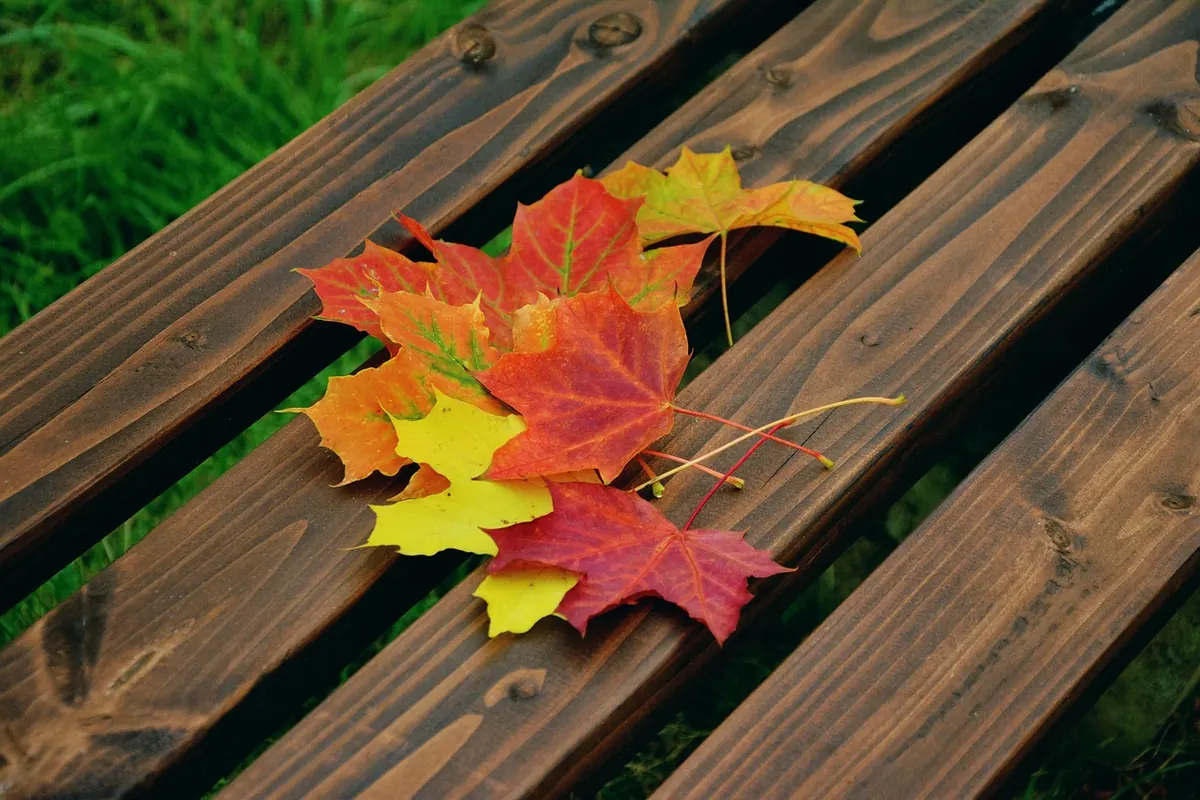
Photo: congerdesign / Pixabay